Training
Training Frequency: 3× or 6× per Week?
Science compares 3-day full-body and 6-day split routines for muscle growth. Training volume, recovery and measured results to optimize your progress.
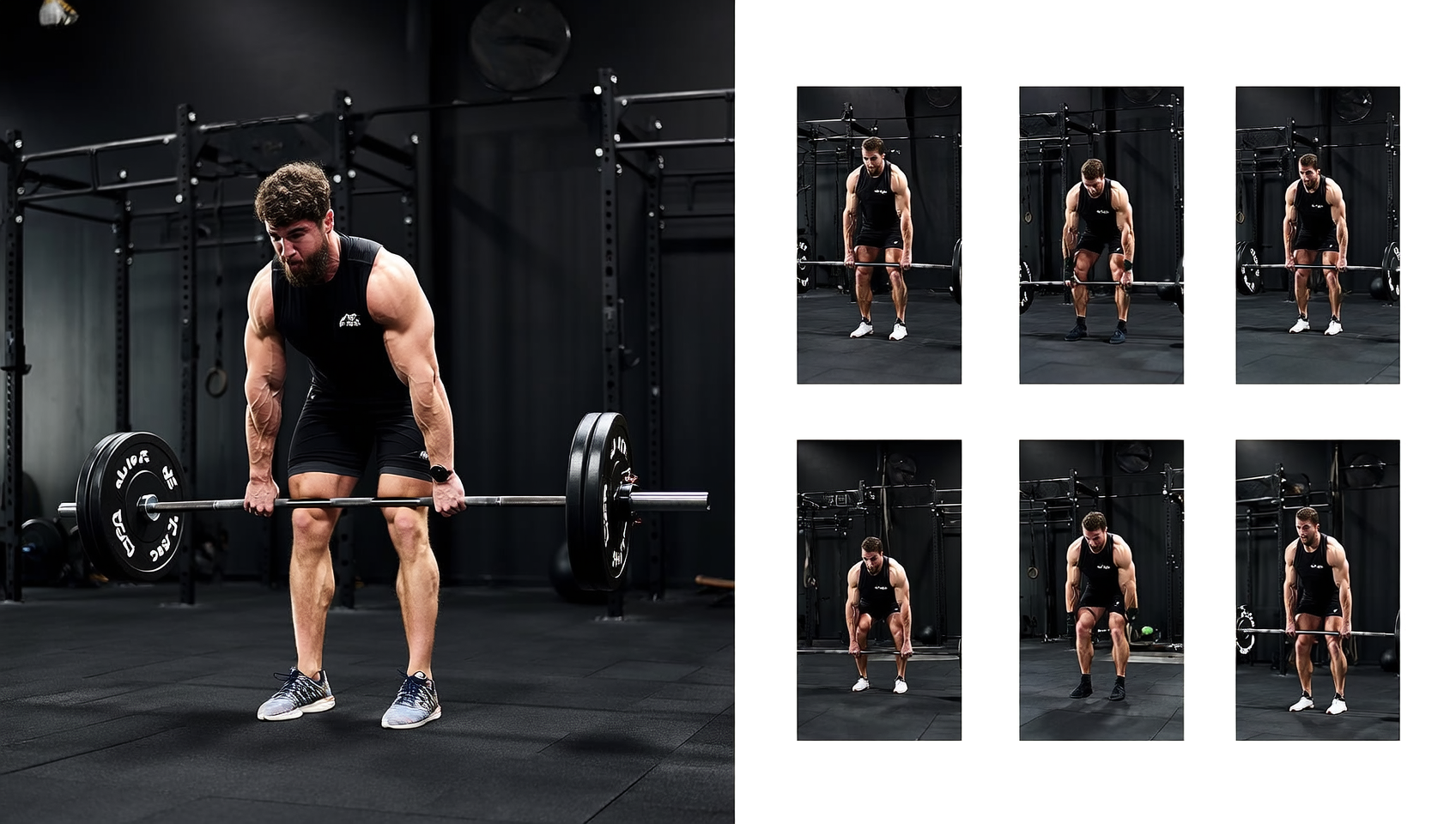
Strength training frequency is a key factor in making progress, whether your goal is muscle growth or fat loss. Should you train three times a week with a full-body routine or six times with a split routine? This article examines what scientific research reveals about these two approaches, their effects on protein synthesis and recovery, and their real-world results.
Weekly Volume: The Deciding Factor
Studies show that total weekly volume (the number of sets per muscle group over seven days) is the main driver of hypertrophy, more so than how sessions are distributed. Whether you perform twelve sets for your chest across three full-body sessions or six split sessions, muscle gains are similar, provided the overall volume is equivalent.
However, frequency influences the quality of the work performed. With a six-day split routine, each muscle group receives concentrated volume, allowing for high intensity for each targeted muscle. With three full-body days, the volume is spread out, which limits local fatigue but may reduce the maximum intensity achievable on each exercise.
Protein Synthesis and Muscle Recovery
Muscle protein synthesis remains elevated for approximately forty-eight hours after a session. In theory, this mechanism favors a high strength training frequency: training a muscle two to three times per week maintains a more consistent anabolic state than stimulating it just once a week.
Full-body routines performed three times a week provide this repeated stimulation, making them ideal for beginners and intermediate lifters. By contrast, a six-day split may train each muscle group only once or twice, unless a twice-weekly frequency is used (for example, chest on Monday and Thursday). Advanced lifters often favor this latter format to accumulate volume without compromising recovery.
Comparing Results: 3-Day Full-Body vs. 6-Day Split
Research directly comparing these two formats reports similar gains in hypertrophy and strength when weekly volume is equated. The main differences lie in practicality, accumulated fatigue and adherence to the program.
- Full-body three times a week: longer sessions (60 to 90 minutes), fewer training days, full recovery between sessions, ideal for busy schedules.
- Six-day split: shorter sessions (45 to 60 minutes), concentrated volume per muscle group, optimal local recovery, suitable for advanced lifters with time available.
For fat loss, frequency matters less than a calorie deficit and maintaining training volume. Both formats preserve muscle mass during a cutting phase, provided intensity is maintained and protein intake is sufficient.
Cardio Frequency and Body Composition
Adding cardio to a strength training program also influences the optimal frequency. Training protocols combining strength training and cardio three to four times a week show greater benefits for body composition (fat loss and muscle retention) than higher-volume but less structured approaches.
Moderate cardio (two to three weekly sessions of twenty to thirty minutes) does not compromise muscle gains if strength training volume is maintained and adequate recovery is allowed. However, excessive cardio volume (more than five hours per week at high intensity) can interfere with muscle recovery and limit strength progress.
Practical Recommendations for Your Profile
The choice between three and six days depends on your experience level, goals and availability. Here are some practical guidelines:
- Beginner (less than one year of regular training): prioritize three full-body days. You will progress quickly with moderate volume while learning the fundamental movements and developing effective recovery.
- Intermediate (one to three years): four days using an upper/lower or push/pull/legs split allow you to increase volume per muscle without overloading each session. Training each muscle group twice a week optimizes protein synthesis.
- Advanced (more than three years): a six-day split with twice-weekly frequency (each muscle twice) maximizes weekly volume. Pay attention to fatigue management and periodization to avoid overtraining.
- Fat-loss goal: three to four days of strength training combined with two to three days of moderate cardio offer a good balance between energy expenditure, muscle preservation and recovery.
Whichever format you choose, consistency, intensity and progressive increases in volume remain the pillars of success. The ideal strength training frequency is one you can sustain over the long term, with adequate recovery and appropriate nutrition.
Achieve Your Goals with Beexfit
Beexfit supports you with personalized fitness coaching and nutrition programs, available through the coaching app in Switzerland. Whether your goal is muscle growth, fat loss or improved performance, our coaches tailor training frequency and volume to your profile and availability. For fitness coaches who want to deepen their knowledge of programming and periodization, Beexfit Academy offers comprehensive training to develop your expertise and support your clients with science-based methods.